Time and servings
Time and servings
Nutrition
Nutrition
Per servings.
About
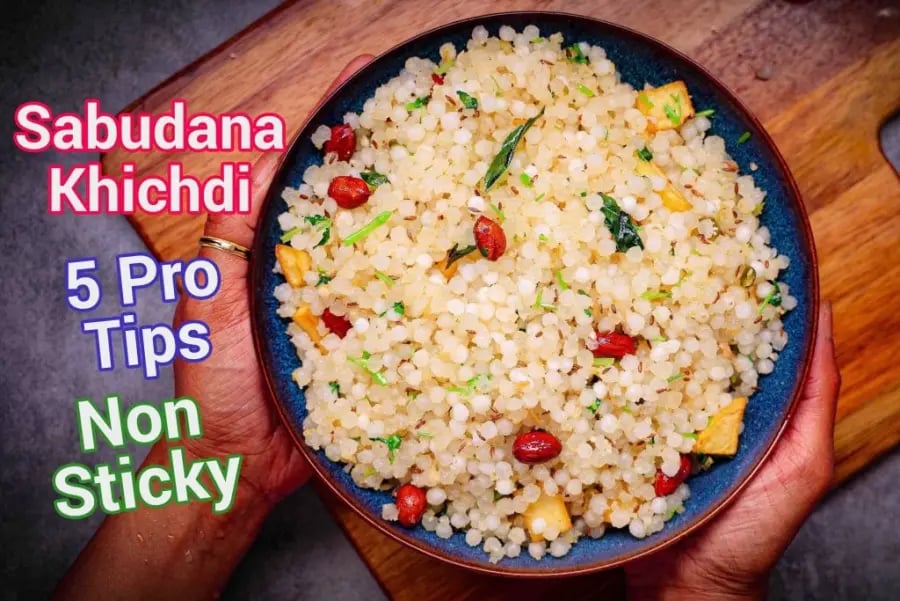
Sabudana Khichdi originates from India, made with tapioca pearls, potatoes, green chillies, and flavourings. This food lifts your energy quickly – so folks pick it when skipping regular meals. Some eat it in a soft style in the morning or stash it in lunch pails. You can whip it up fast, though you’ve got to treat it right so it stays loose, not gloopy. Cooking it just right keeps every grain fluffy and clear. Chefs let sabudana sit in water long enough to achieve the ideal consistency. Mixing in toasted peanuts along with soft potatoes brings out a nice bite and taste. The smell of melted ghee, combined with cumin popping, heats up the whole dish. Still counts as a top go-to meal during fasts all over India. This meal changes from place to place, giving each one its own taste twist. Most often, it’s made with softened tapioca bits stirred into spuds, spicy peppers, also crushed nuts. Some areas opt for a thin broth, making it gentle on the stomach. Meanwhile, folks elsewhere cook it down slow, making it creamy like upma – sometimes called Sabudana Upma. Every variant keeps that classic mix of flavour and goodness. With herbs blended with gentle spices, it feels light yet filling. You don’t need fancy stuff – just time and proper soaking. Works for kids, adults, and elders; suitable for fasting days or regular meals. In short, this dish demonstrates how basic ingredients can still nourish both body and soul in Indian kitchens. Fun Fact:In Maharashtra, Sabudana Khichdi became a staple during Navratri fasting because its quick energy release kept farmers active through long working days.
Ingredients
- 2 cup sabudana
- 1½ cup water
- ¼ cup peanut
- 2 tbsp ghee
- 2 tbsp peanut
- 1 potato (chopped)
- 1 tsp cumin
- few curry leaves
- 3 chilli (finely chopped)
- 1 inch ginger (grated)
- 1 tsp senda namak
- 1 tsp sugar
- 2 tbsp coriander (finely chopped)
- ½ lemon juice
Instructions
- Firstly, in a large bowl take 2 cup sabudana and rinse in water for 3 to 4 times. Make sure to rub the sabudana to remove excess starch.
- Add 1½ cup water. Dip the sago completely, and rest for 5 hours. Soaking time varies depending on the quality of Sabudana.
- Once the Sabudana is soaked well, ensure there is no water at the bottom. Otherwise, the khichdi will turn mushy. The Sabudana must be able to mash easily when pressed between fingers. If it is still hard, sprinkle some water and soak for an additional 30 minutes.
- Now, in a heavy-bottomed pan, roast ¼ cup of peanuts.
- Roast on a low flame until the peanuts turn crunchy.
- Cool completely, peel the skin and transfer to the mixer jar. Pulse and powder to a coarse peanut powder. Keep aside.
- Now, in a large kadai, heat 2 tbsp ghee.
- Fry 2 tbsp peanuts till they turn golden brown, keep aside.
- Also, fry 1 potato till it turns golden brown and crispy. Keep aside.
- In the same ghee, splutter 1 tsp cumin and a few curry leaves. Add 1-inch ginger, 2 chili and saute well till the spices turn aromatic.
- Furthermore, add the soaked sabudana, 1 tsp senda namak, crushed peanut powder and 1 tsp sugar.
- Mix well, ensuring they are thoroughly combined.
- Cover and cook until the sago pearls turn translucent.
- Now add fried peanuts, potatoes, ½ lemon and 2 tbsp coriander. Mix well.
- Finally, enjoy Sabudana Khichdi or pack it in your lunchbox.
Step-by-step
1
Firstly, in a large bowl take 2 cup sabudana and rinse in water for 3 to 4 times. Make sure to rub the sabudana to remove excess starch.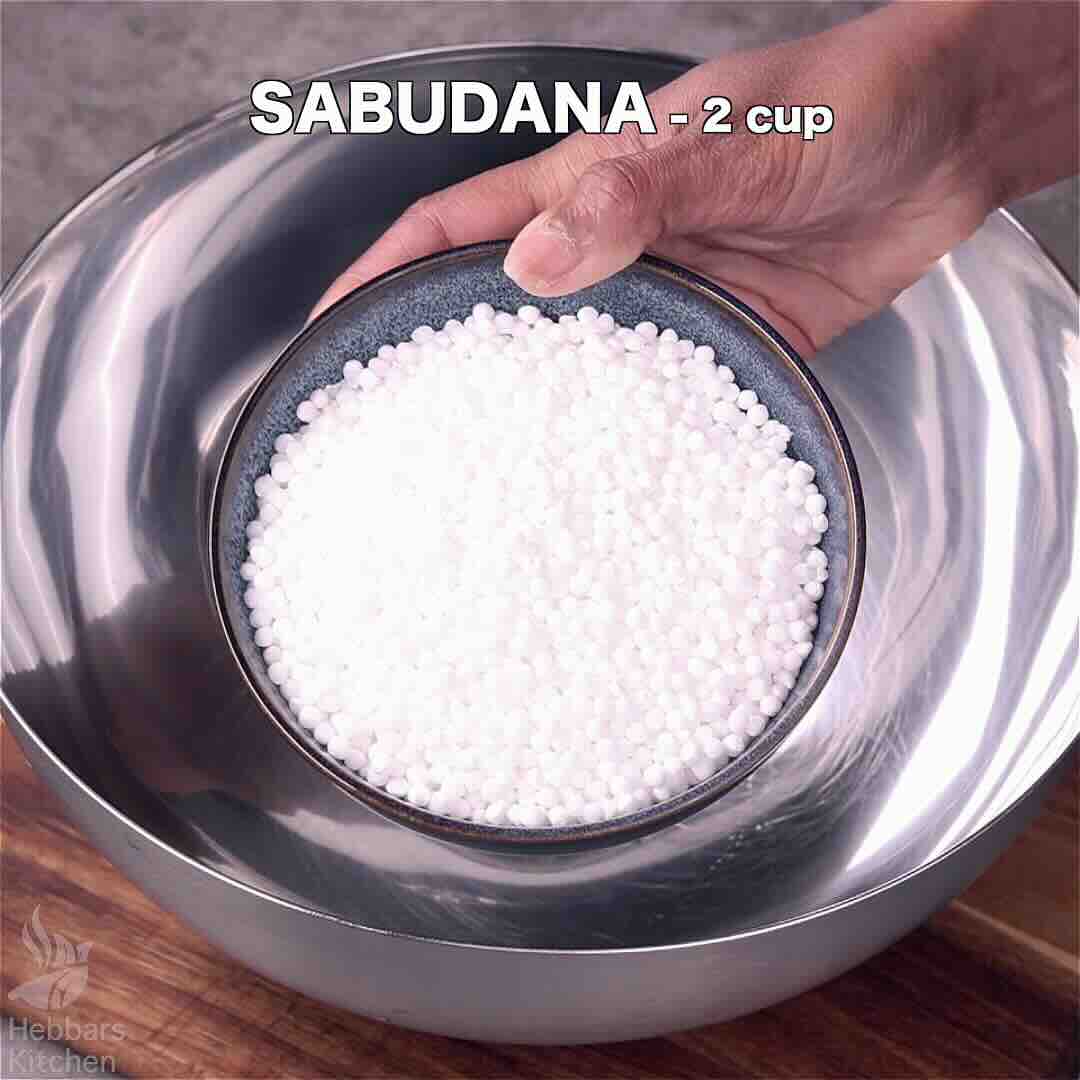
2
Add 1½ cup water. Dip the sago completely, and rest for 5 hours. Soaking time varies depending on the quality of Sabudana.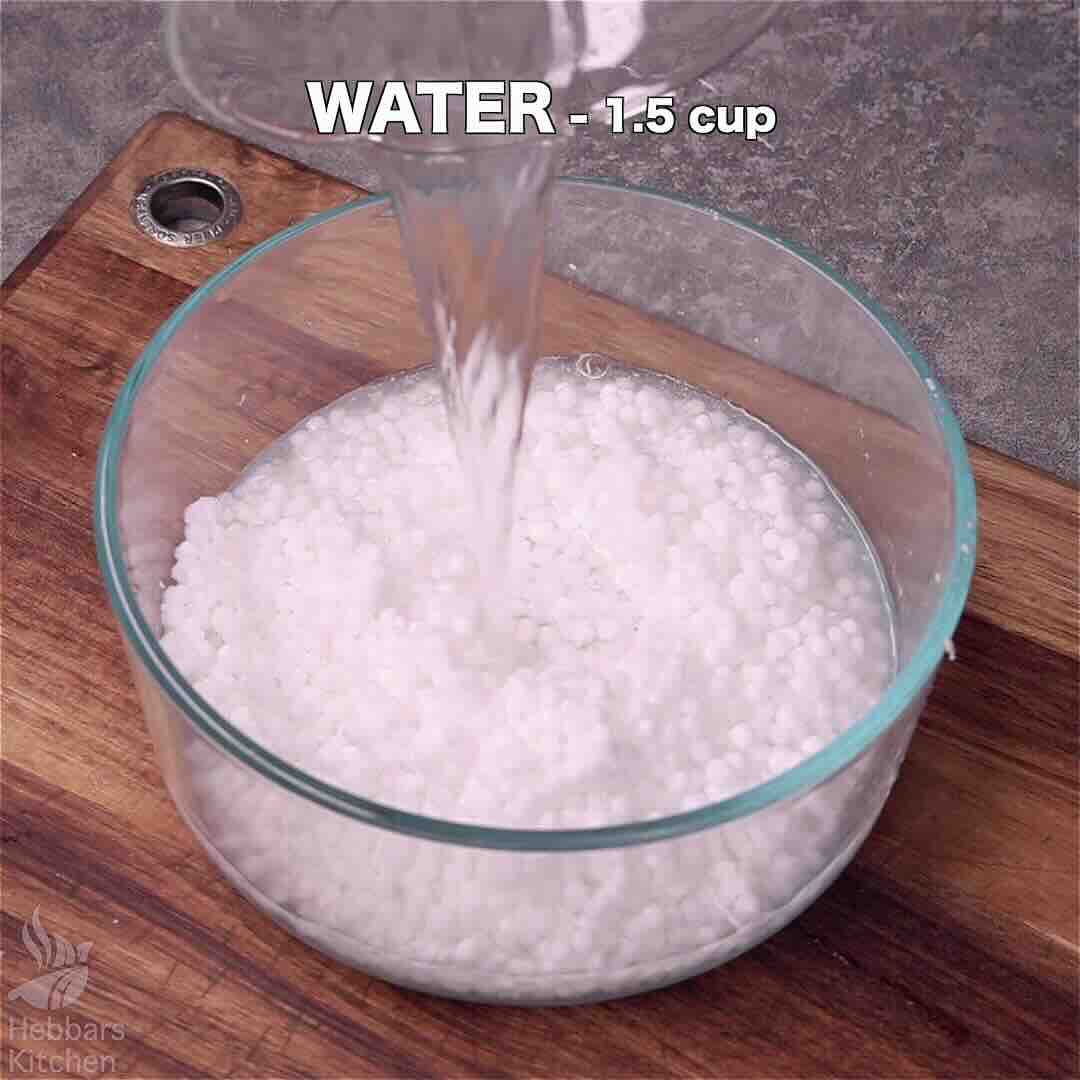
3
Once the Sabudana is soaked well, ensure there is no water at the bottom. Otherwise, the khichdi will turn mushy. The Sabudana must be able to mash easily when pressed between fingers. If it is still hard, sprinkle some water and soak for an additional 30 minutes.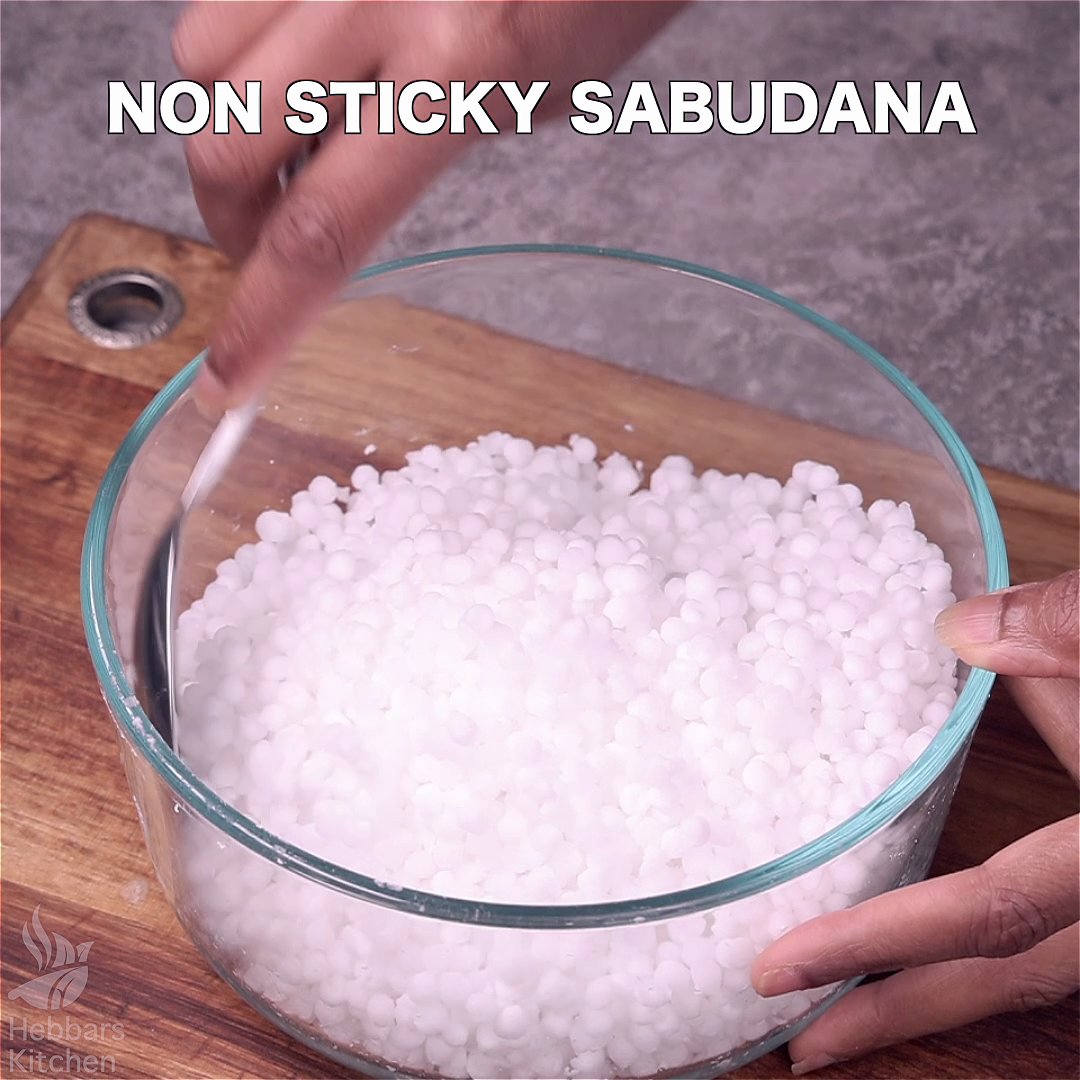
4
Now, in a heavy-bottomed pan, roast ¼ cup of peanuts.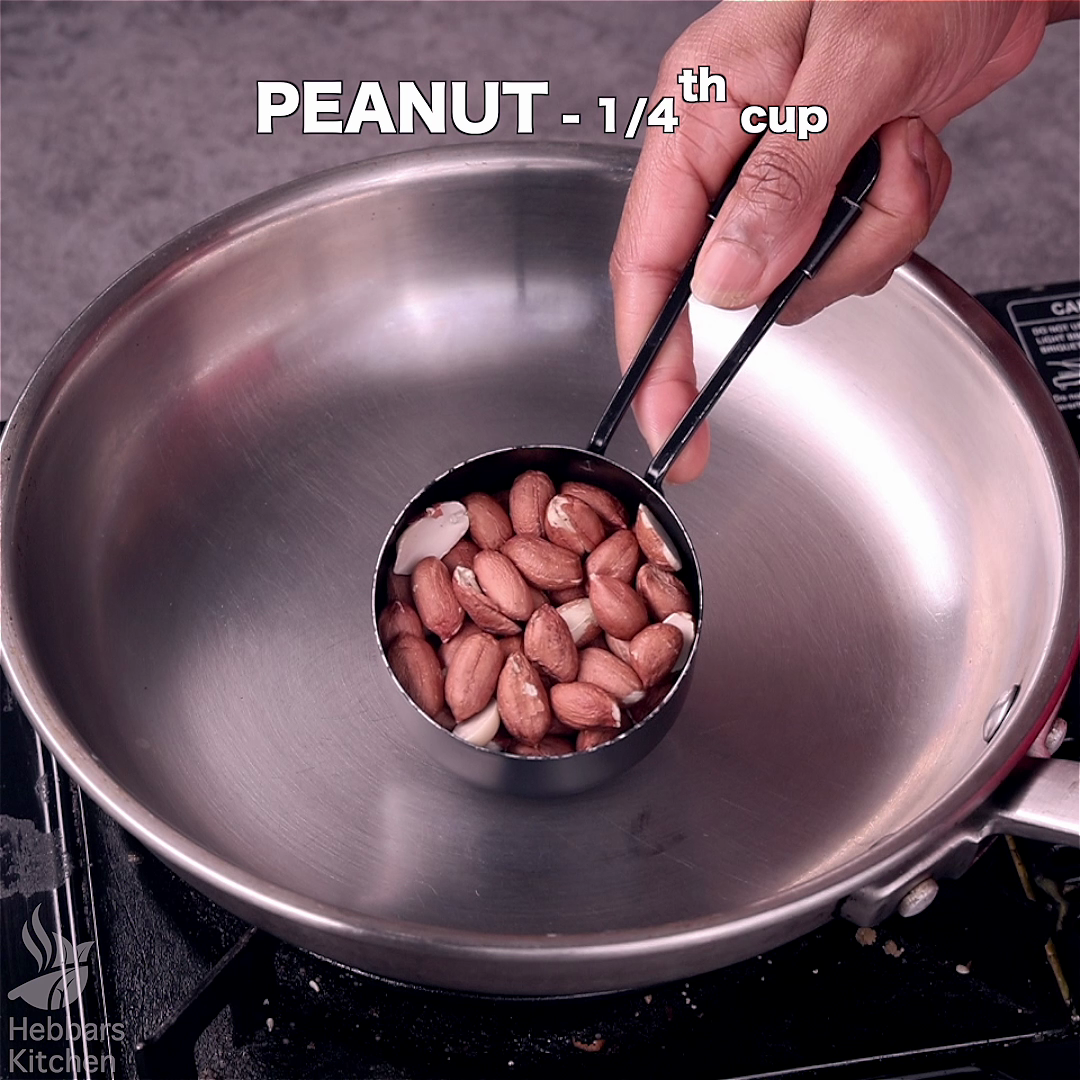
5
Roast on a low flame until the peanuts turn crunchy.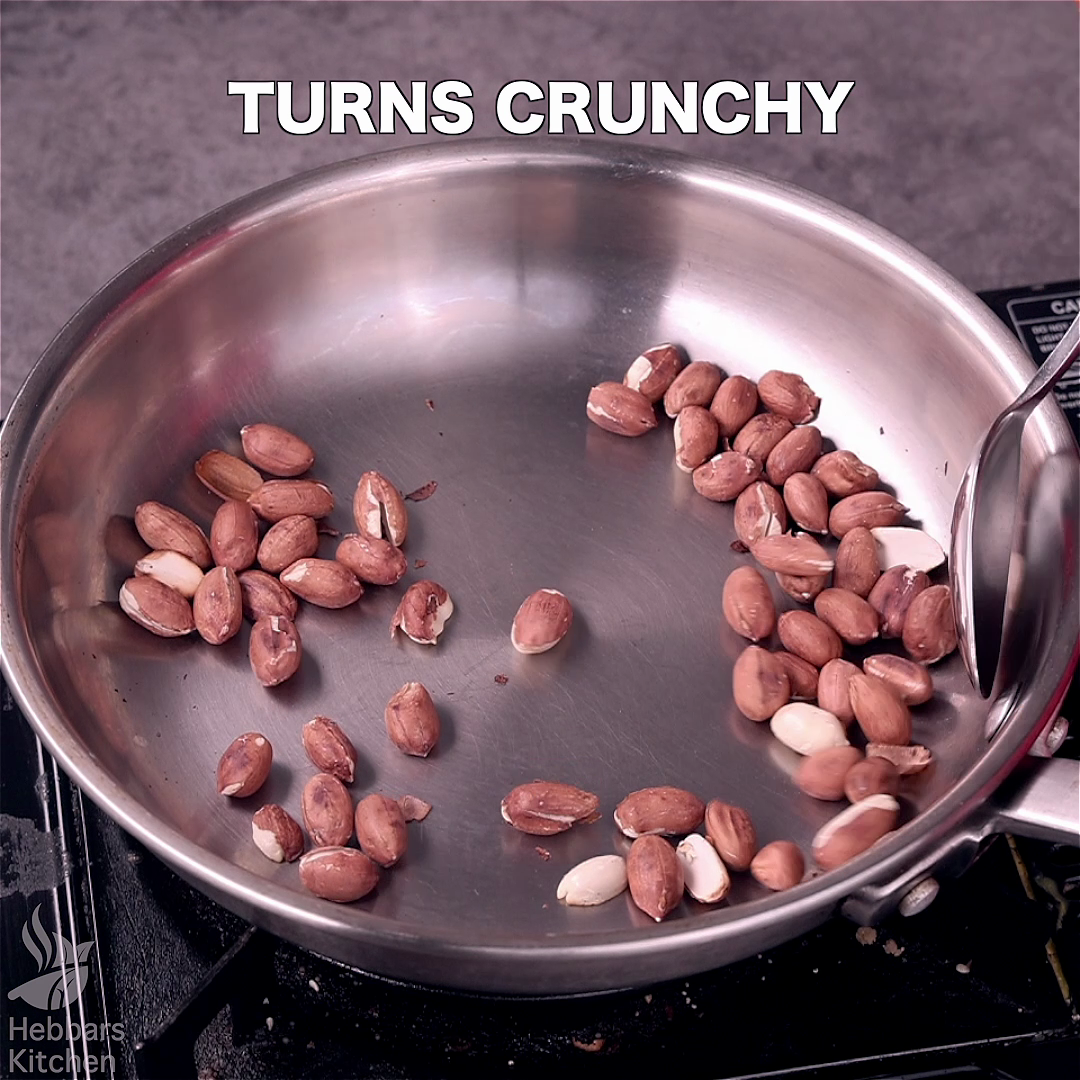
6
Cool completely, peel the skin and transfer to the mixer jar. Pulse and powder to a coarse peanut powder. Keep aside.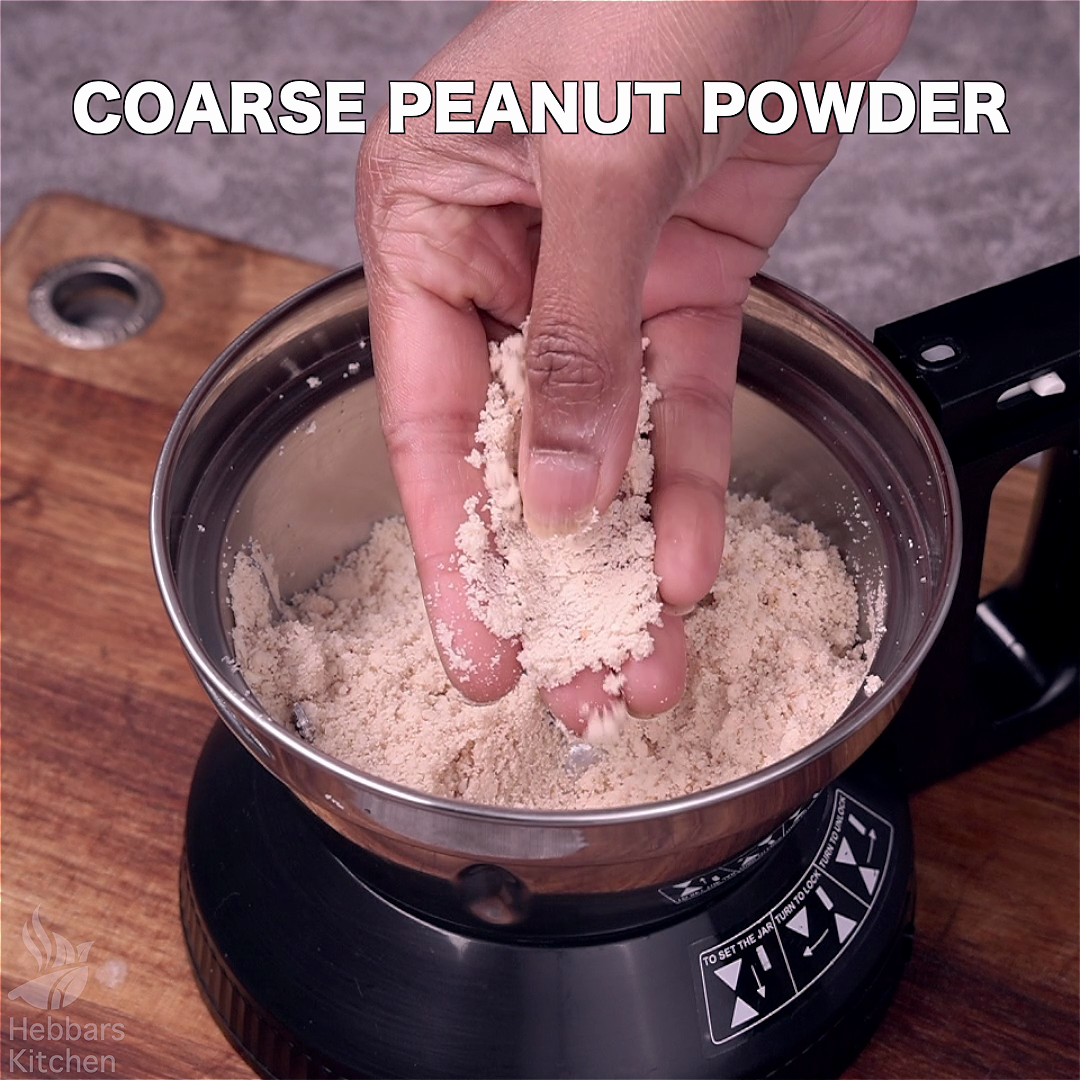
7
Now, in a large kadai, heat 2 tbsp ghee. Fry 2 tbsp peanuts till they turn golden brown, keep aside.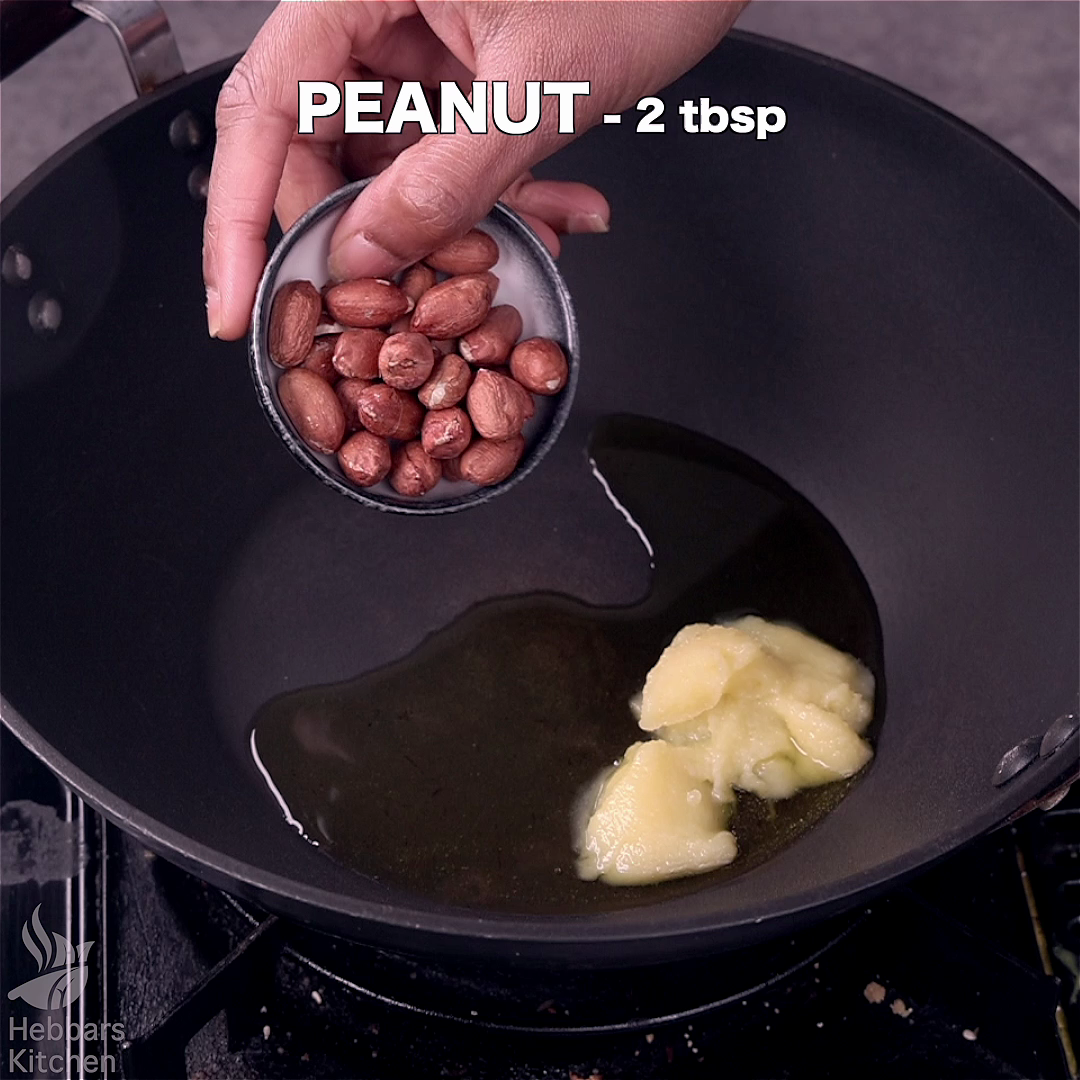
8
Also, fry 1 potato till it turns golden brown and crispy. Keep aside.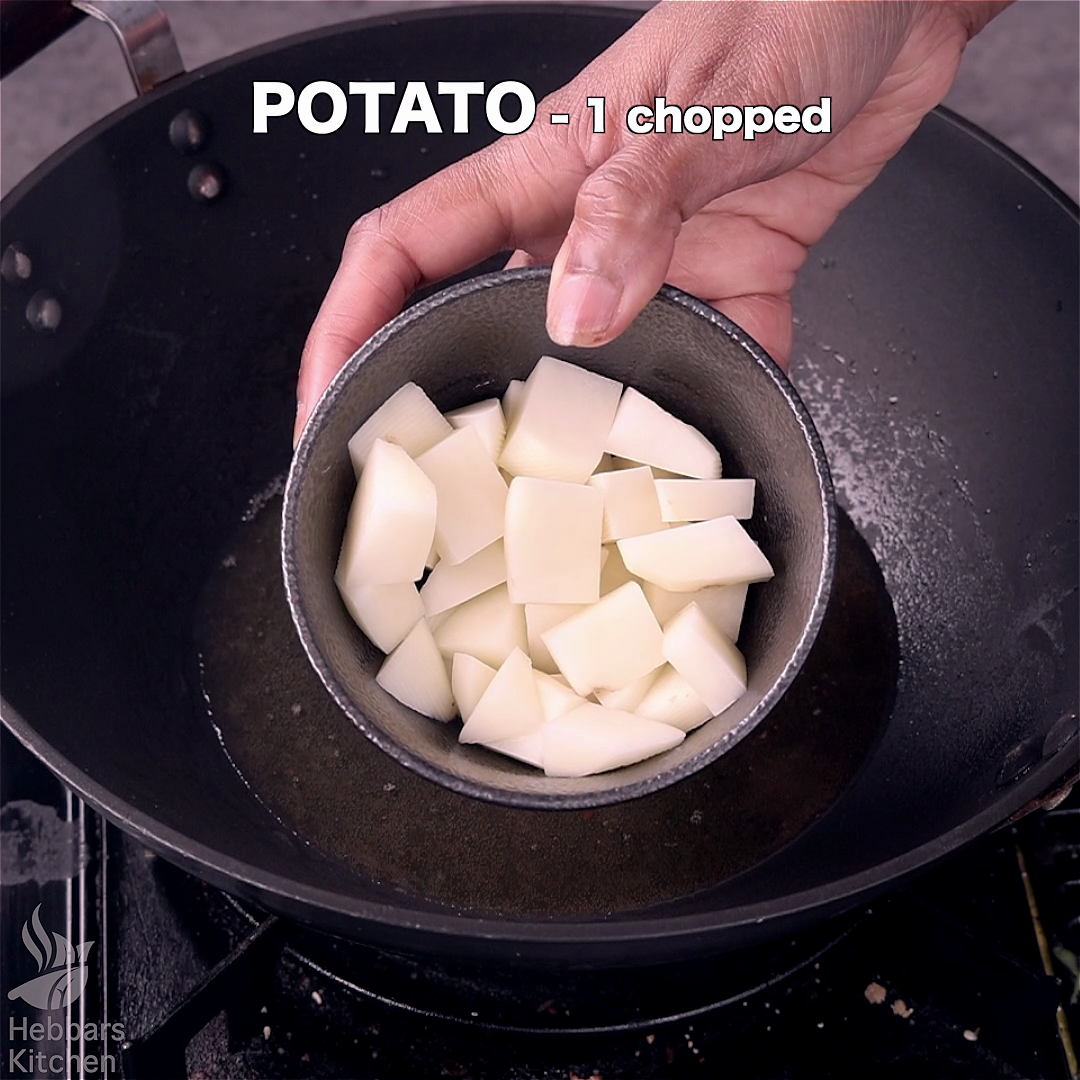
9
In the same ghee, splutter 1 tsp cumin and a few curry leaves. Add 1-inch ginger, 2 chili and saute well till the spices turn aromatic.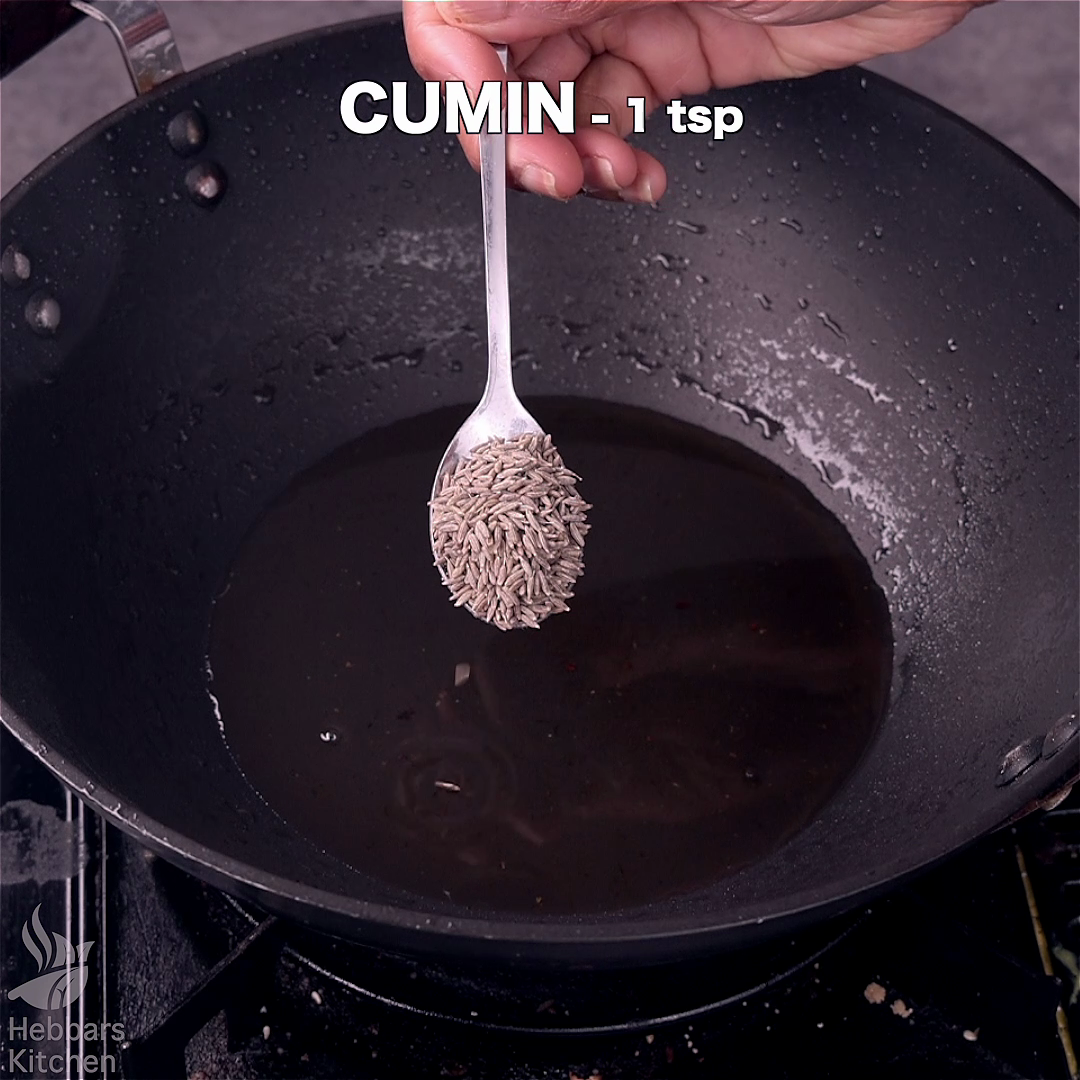
10
Furthermore, add the soaked sabudana, 1 tsp senda namak, crushed peanut powder and 1 tsp sugar.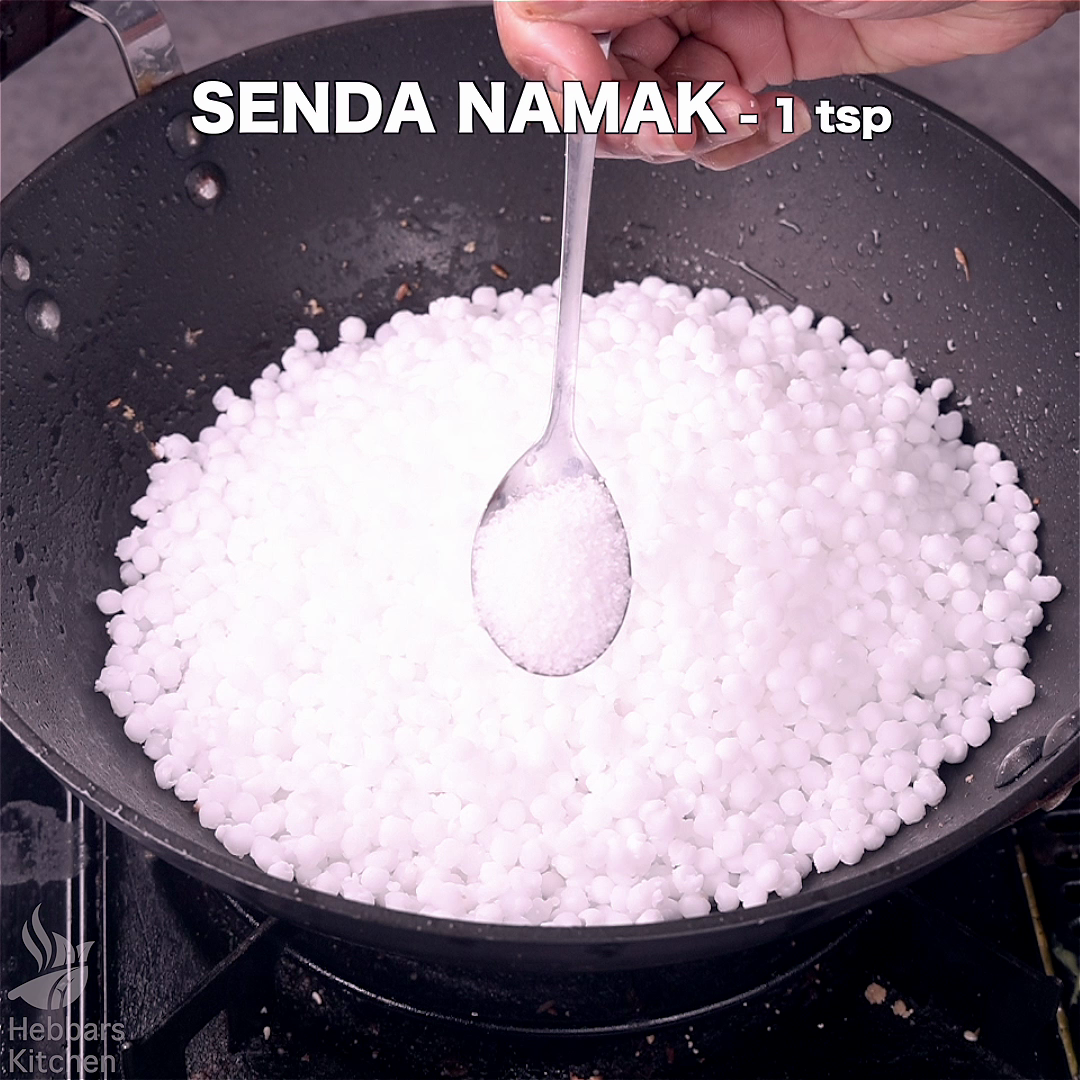
11
Mix well, ensuring they are thoroughly combined.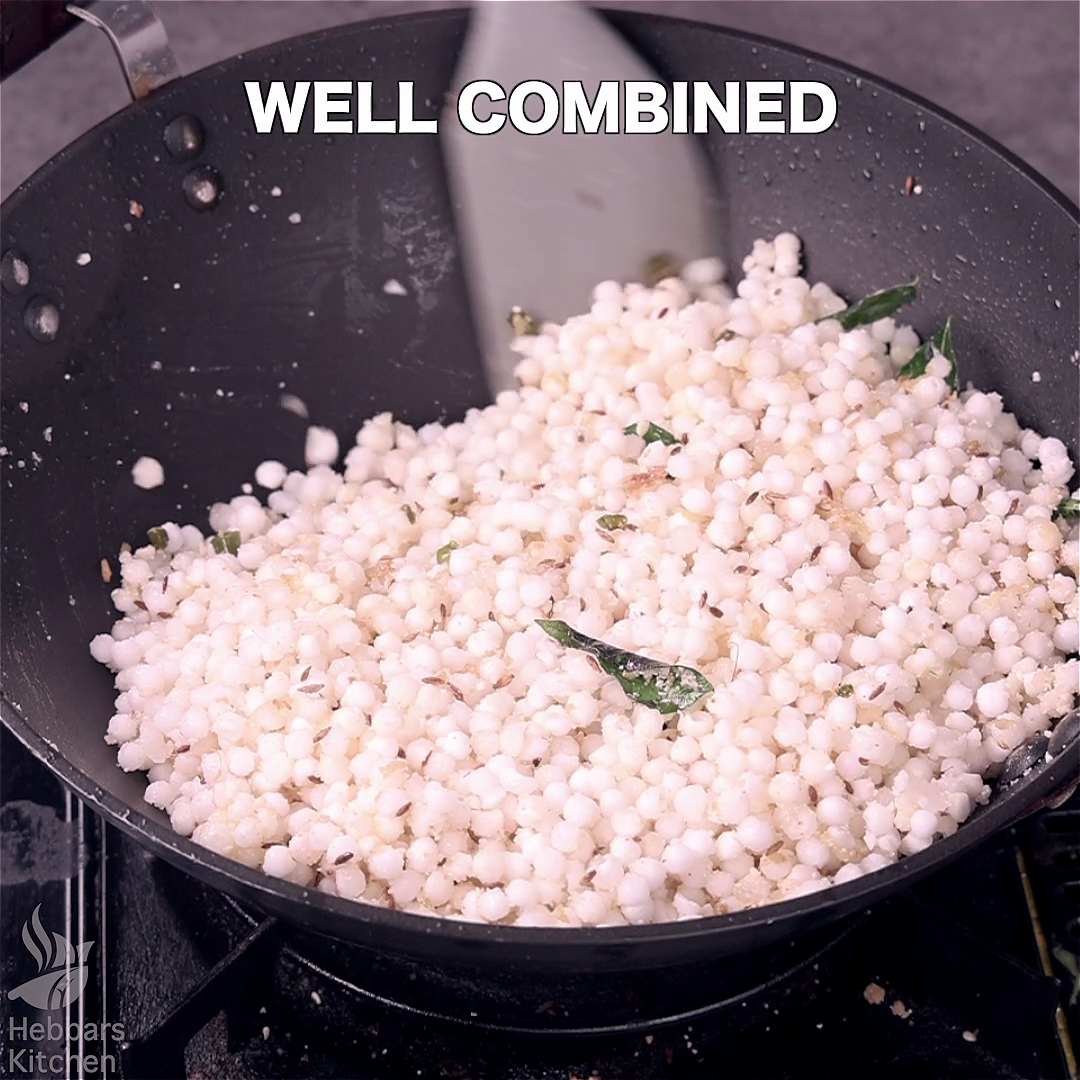
12
Cover and cook until the sago pearls turn translucent.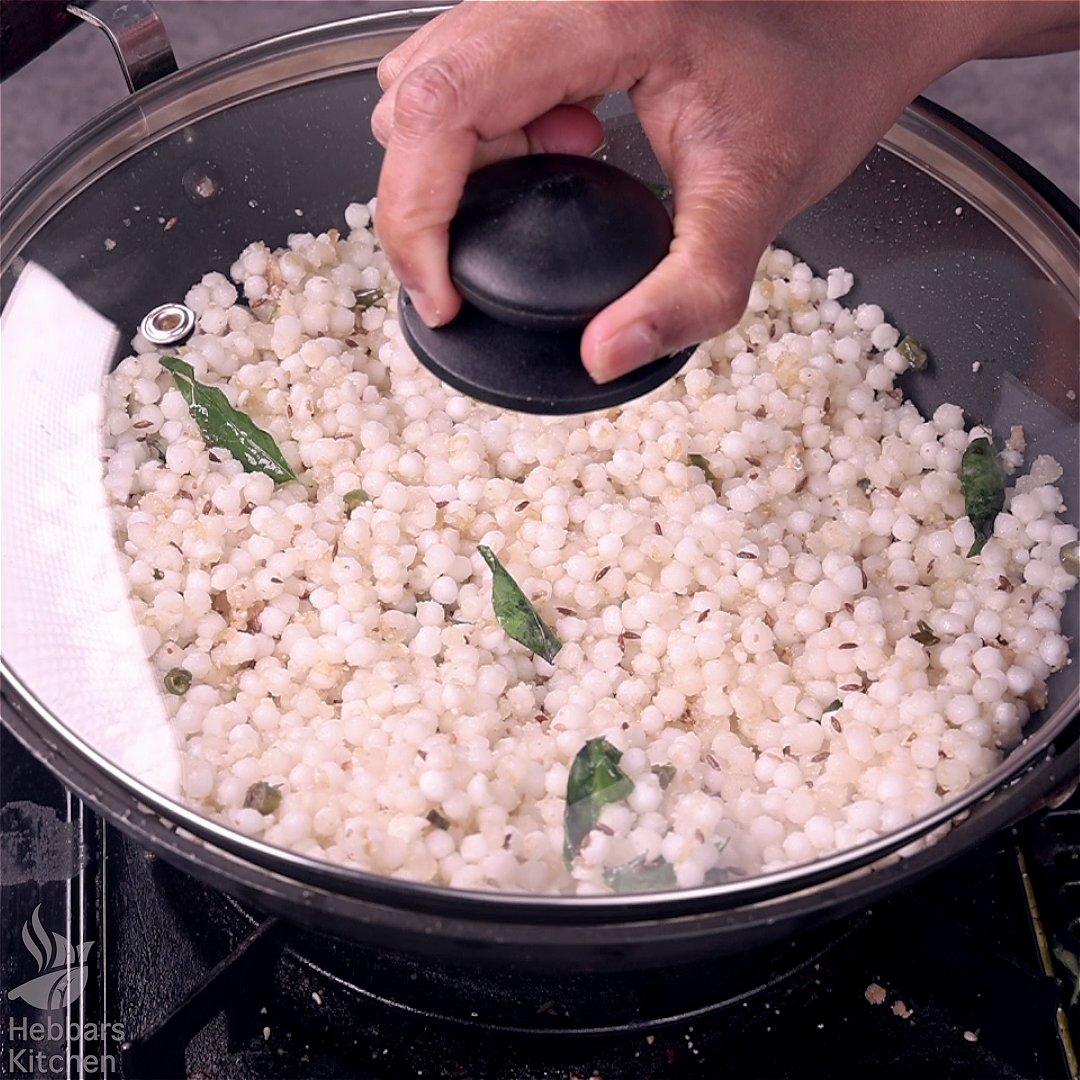
13
Now add fried peanuts, potatoes, ½ lemon and 2 tbsp coriander. Mix well.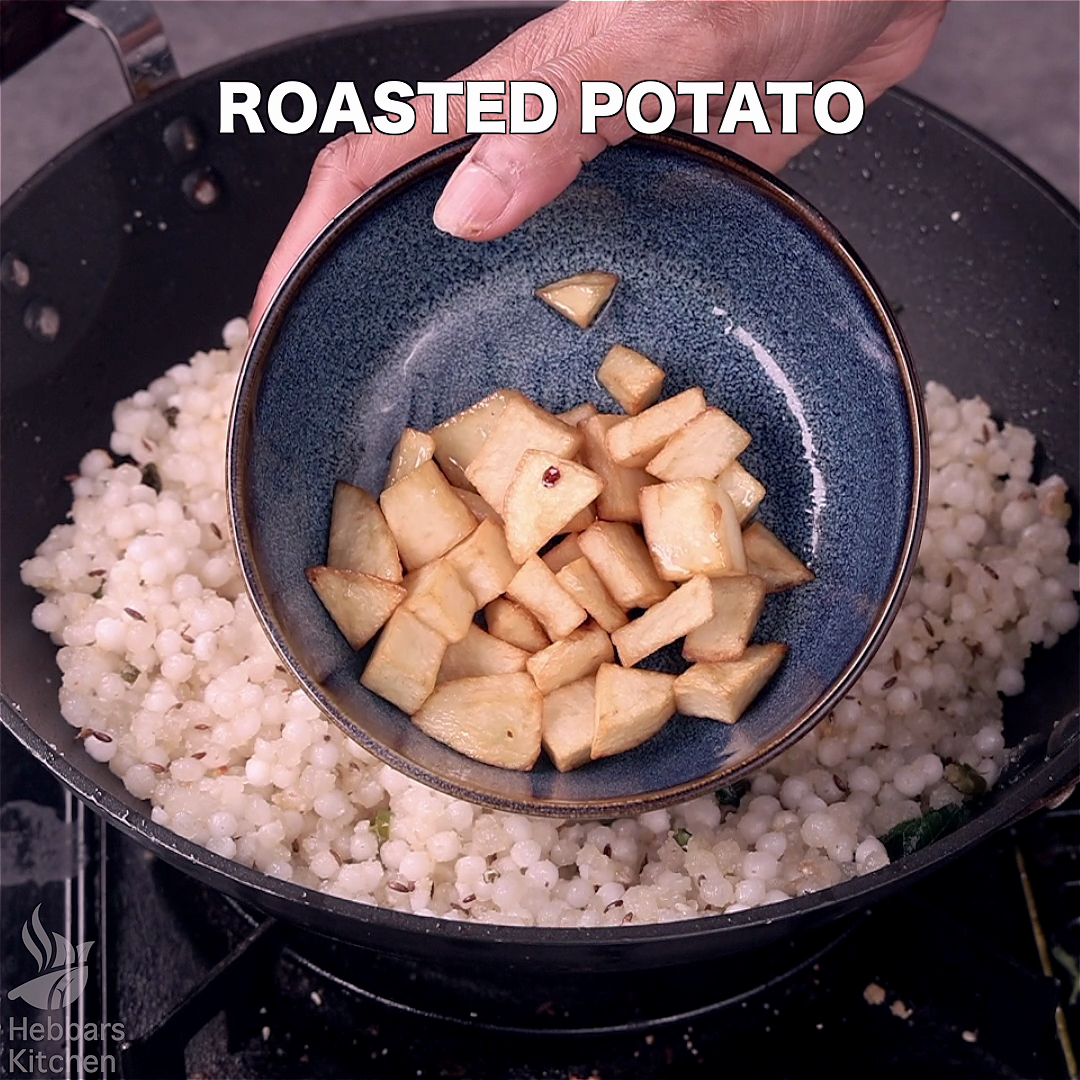
14
Finally, enjoy Sabudana Khichdi or pack it in your lunchbox.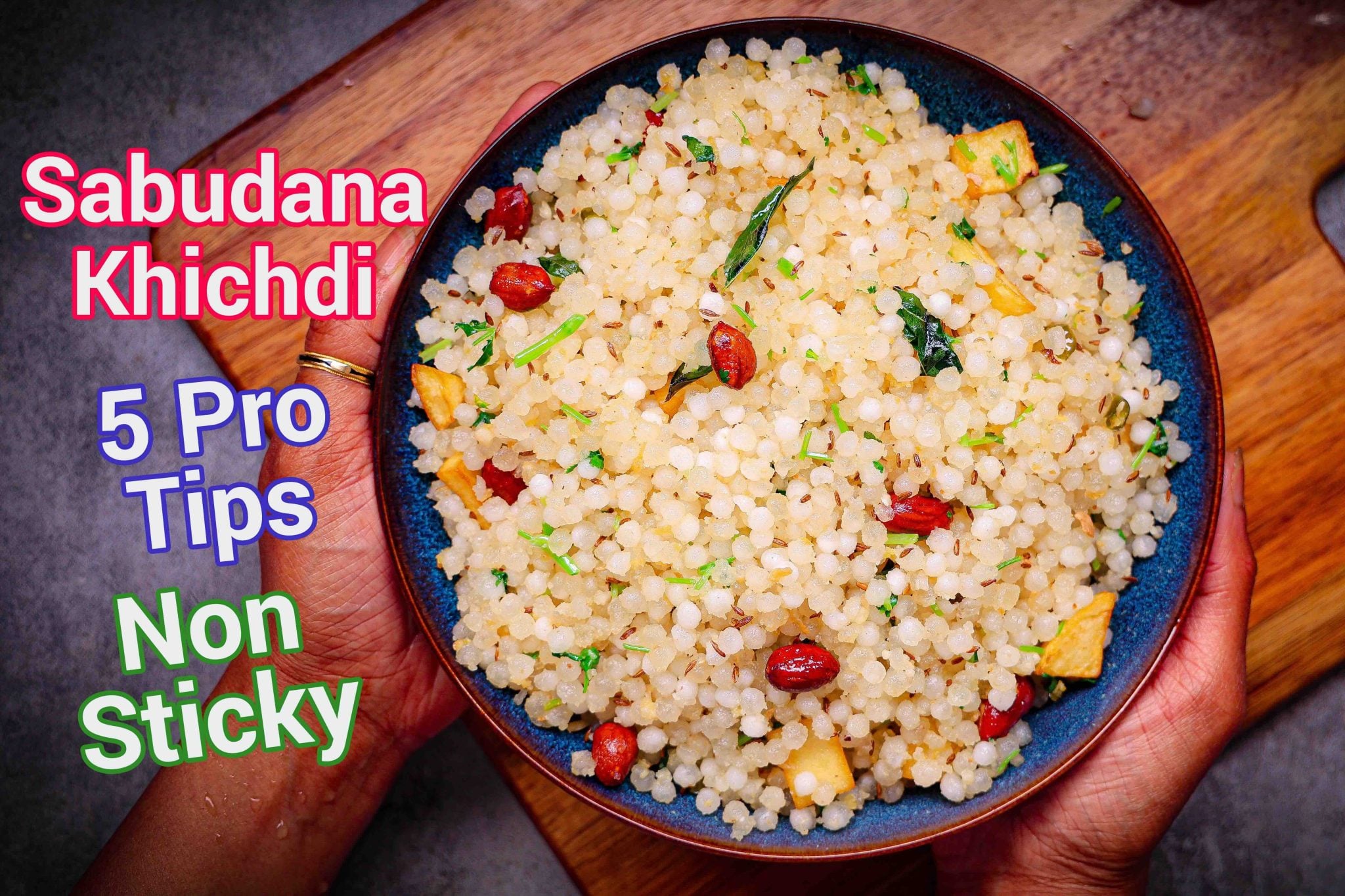
Video
Tips
The recipe is incredibly simple to make, using just a few basic ingredients to create this khichdi. Yet basic tips to make this perfect are –- Proper Sabudana – Choosing the right-sized and best-quality Sabudana or sago pearls is essential to any Sabudana Recipe. Typically, small to medium-sized sago pearls are best for this recipe.
- Soaking – The water-to-sabudana ratio while soaking is very critical. I generally follow a 1:3/4 ratio of Sabudana and water, but you can increase it depending on the quality of Sabudana used. Also, rinse and wash the Sabudana thoroughly till all excess starch is removed.
- Potatoes – Generally, pressure-cooked or boiled and diced potatoes are added to the khichdi. This helps to hasten the cooking process. But you may add them directly to the cooking pan or even microwave them before using them.
- Cooking Time – Cooking can be an overwhelming process, as it requires cooking on a low to medium flame. Keep patience and stir gently so that it does not damage the sago pearls.
- Experiment – The recipe is mainly prepared during the fasting season with fasting ingredients. However, it is not limited to it. It can be extended to other ingredients, such as coconut, curry leaves, and onions.
FAQ
How do I keep sabudana non-sticky?
How do I keep sabudana non-sticky?
Rinse sabudana until the water runs clear. Cook on low heat and stir gently to keep the pearls separate.
What is the correct soaking method?
What is the correct soaking method?
Use a 1:1 ratio of sabudana to water and soak for 4 to 6 hours. Fluff with a fork and rest for 10 minutes before cooking.
Can I eat sabudana khichdi during fasting?
Can I eat sabudana khichdi during fasting?
Yes, use rock salt and ghee or peanut oil as per fasting rules. Keep spices simple and follow your tradition.
How do I add protein and crunch while fasting?
How do I add protein and crunch while fasting?
Roast peanuts and add crushed peanut powder. Add it at the end for a nutty flavour and improved texture.
How can I quickly fix mushy khichdi?
How can I quickly fix mushy khichdi?
Spread the mixture evenly on a plate and let it cool for a few minutes. Return to a wide pan, add peanut powder, and toss on low heat.
Notes
- Firstly, make sure to rinse the Sabudana really well; otherwise, the khichdi may turn sticky.
- Additionally, if you are not eating curry leaves during a vrat, you can skip them.
- Additionally, the soaking time of Sabudana completely depends on the quality of the Sabudana. So, when you are making it for the first time, keep a close eye on it.
- Finally, the Sabudana khichdi recipe tastes great when prepared with desi ghee.
Original recipe by Hebbar’s Kitchen: https://hebbarskitchen.com/sabudana-khichdi-recipe-sago-ki-khichdi/