CAST-IRON TAWA
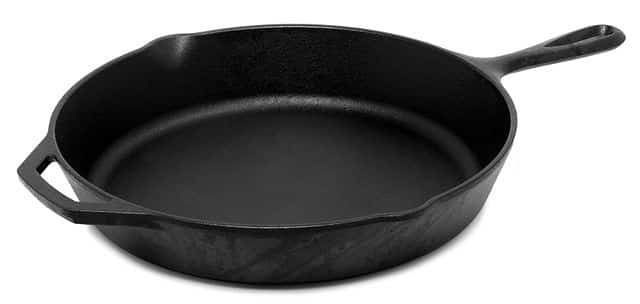
The Cast-iron Tawa is made by melting iron. As said earlier Cast iron tawas were used since ancient times. Cast iron tawas are heavier when compared to non-stick tawas. When a cast-iron Tawa is seasoned properly it is as good as a non-stick tawas. You can find the surface of these Tawa rough. Cast iron tawas are known can heat up to any temperature and they even retain the heat. These are chemical-free. You get crisper dosa and the Tawa also adds a unique taste to the dosa. As these are heavy they can be broken easily. So handle with care.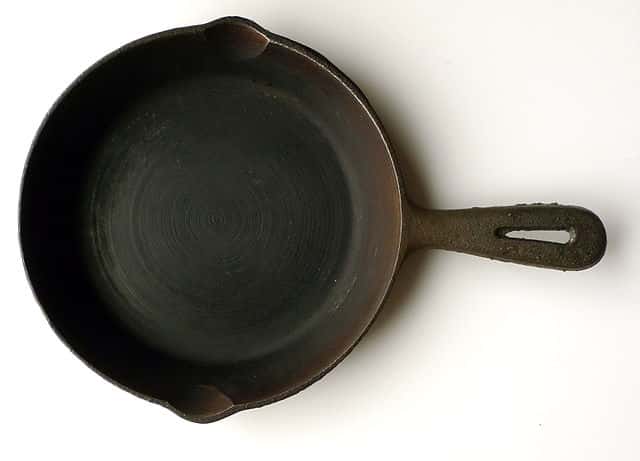
Advantages
- A cast-iron Tawa can tolerate high temperatures. It doesn’t get damaged when it is exposed to high temperatures.
- They are chemical-free. They add flavour to your food.
- You can make the rough surface of a cast-iron Tawa smooth as a non-stick Tawa surface by seasoning the Tawa.
- They are affordable by common people.
-
Even if you find some rust on the Tawa it can be removed so you don’t have to discard the Tawa
Disadvantages
- The cast-iron Tawa is usually heavy and can be broken if dropped down.
- Tawas need extra care to avoid rusting.
- A New cast-iron Tawa is difficult to handle but as it gets old it becomes easier.
NON-STICK TAWA
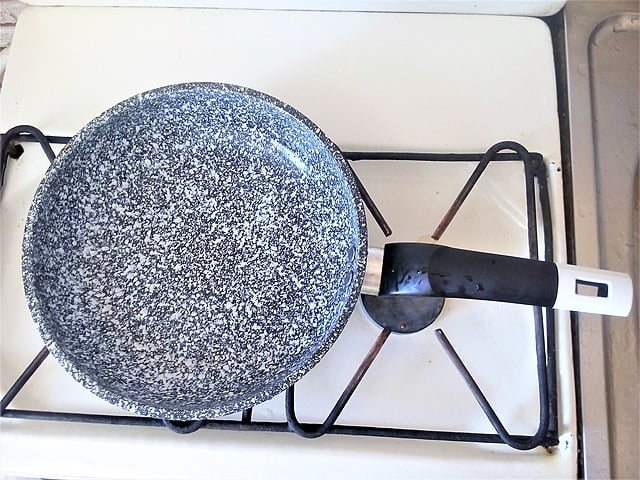
All non-stick Tawas are lined with a material called Teflon. Is this material safe? This question is often asked these days. Teflon is considered safe but when exposed to temperatures higher than 300-degree celsius it can be harmful. Non-stick Tawa was used for preparing dosa hassle-free. The surface of non-stick Tawa is smooth when compared to the cast iron Tawa. When taken care of properly this non-stick Tawa can have a longer life span.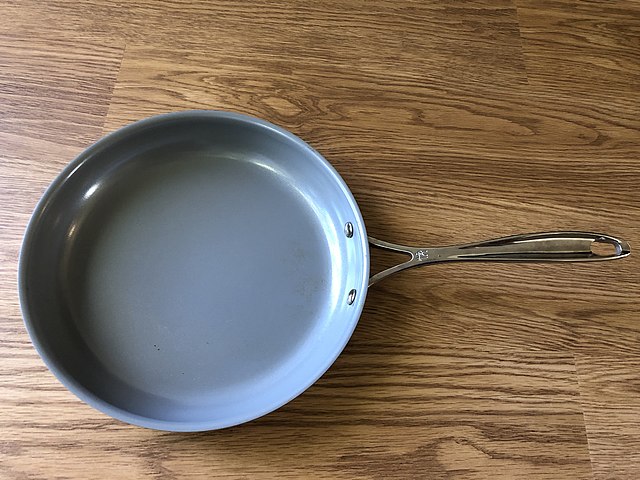
Advantages
- You can make dosa without much usage of oil.
- The sticking of dosa on the Tawa is very less due to the non-stick coating.
- A non-stick Tawa is lighter in weight when compared to a cast-iron Tawa.
- Non-stick pans are easy to clean and dry as they do not absorb oil like other Tawa.
Disadvantages
- Non-stick Tawas should not be used for high-temperature cooking. When exposed to high temperatures the coating can be damaged.
- You should not use a metal spatula on non-stick Tawa, it will spoil the coating.
-
Non-stick Tawa should be replaced if you see the coating peeling off.
Conclusion – Cast iron Tawa vs Non-stick Tawa
Coming to conclusion, it doesn’t matter which kind of Tawa you have, you must know how to use and maintain them. If you have an old iron Tawa that has rust on it, do not discard it. There are various techniques to remove the rust and the tawa will be ready to use again. If you buy a new Non-stick Tawa make sure to use it in the right way. By doing so you can use your Tawa for long years. Also will not cause harm to health when non-stick Tawa is well maintained. And when you have both the Tawas, you can make use of both alternatively depending on what are you planning to cook. I would like to conclude the article with a few tips.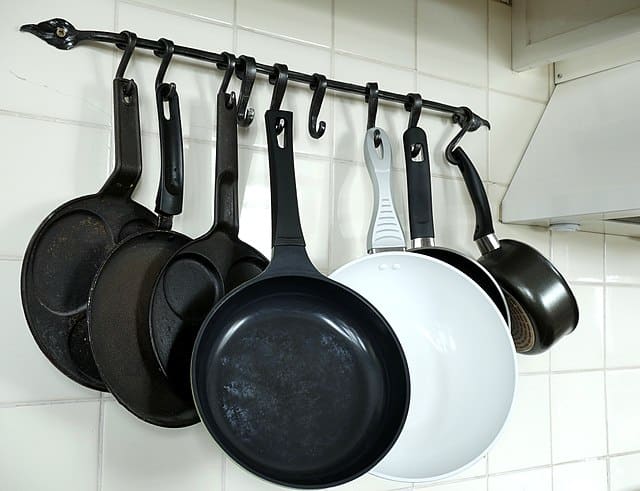
Tips
- Whenever you buy cast-iron Tawa go for heavy ones. New ones are difficult to maintain but they get better as Tawa gets older.
- Season the cast-iron Tawa with onion, bottle gourd as it prevents sticking of dosa.
- Do not wash the hot cast iron Tawa with cold water. Use warm water to wipe it clean. Also, wipe it dry once washed. It prevents the Tawa from rusting.
- Do not use a steel scrubber for washing cast-iron Tawa or Non-stick Tawa.
- Even non-stick Tawa can be maintained well in the long run.
- Do not use a metal spatula on non-stick Tawa. The usage of a metal spatula can ruin the coating of the Tawa.
- Do not expose non-stick Tawa to higher temperatures. You can use a cast iron for cooking at a temperature higher than 300 degrees celsius. This way you can maintain both of your Tawas.
Original recipe by Hebbar’s Kitchen: https://hebbarskitchen.com/cast-iron-tawa-vs-non-stick-tawa/